India has entered a new phase of electric commercial vehicle localisation, with stricter domestic manufacturing requirements for traction motors used in eligible electric buses and trucks coming into effect from September 1, 2026.
The new requirements are linked to the Phased Manufacturing Programme (PMP) under the PM E-DRIVE scheme. The objective is to increase domestic manufacturing of important electric powertrain components and reduce dependence on imported systems.
The development is particularly important for electric commercial vehicle manufacturers, as electric buses and trucks depend heavily on traction motors, controllers and other high-value components.
What Changes From September 1?
Under the revised localisation framework, manufacturers seeking applicable PM E-DRIVE benefits must meet specified domestic manufacturing requirements for traction motors.
The manufacturing process is expected to include important operations such as:
- Magnet fitment
- Rotor assembly fitment
- Stator assembly fitment
- Shaft fitment
- Bearing fitment
- Motor enclosure fitment
- Connector fitment
- Cable fitment
The aim is to ensure that traction motors are not simply imported as complete assemblies and installed in vehicles in India.
A temporary relaxation that allowed eligible manufacturers to import traction motors containing rare-earth magnets was available until August 31, 2026. With that period ending, the stricter localisation framework is now scheduled to apply from September 1.
Which Electric Vehicles Are Affected?
The latest requirements are mainly relevant to electric commercial vehicles covered under the applicable PM E-DRIVE framework.
This includes certain:
- Electric trucks in the N2 category
- Electric trucks in the N3 category
- Electric buses in the M2 category
- Electric buses in the M3 category
N2 trucks generally cover commercial vehicles above 3.5 tonnes and up to 12 tonnes GVW, while N3 covers heavier commercial vehicles.
why Are Manufacturers Concerned?
The transition comes at a challenging time for the electric commercial vehicle industry.
A major issue is the availability of rare-earth permanent magnets, which are used in several types of high-performance electric traction motors. Supply-chain disruptions and restrictions affecting rare-earth materials and magnets have created uncertainty for manufacturers.
This has made it more difficult for some companies to establish fully compliant local traction-motor production within the required timeline.
Industry Seeks More Time
The automotive industry has also requested additional time to comply with the new localisation requirements.
The Society of Indian Automobile Manufacturers (SIAM) has sought a seven-month extension, asking the government to move the deadline from September 1, 2026, to April 1, 2027.
The request is aimed at giving manufacturers and suppliers more time to establish domestic supply chains for traction motors and motor-controller systems, particularly amid continuing uncertainty around rare-earth magnet supplies.
As of September 1, the localisation deadline has taken effect, while the industry's request for another extension remains an important development to watch.
What Is PM E-DRIVE?
PM E-DRIVE is the government's electric mobility support programme designed to encourage EV adoption while also developing India's domestic electric-vehicle manufacturing ecosystem.
The scheme covers several electric vehicle categories and supporting infrastructure. For commercial vehicles, the policy is increasingly focused not only on putting more electric buses and trucks on Indian roads but also on increasing the amount of EV technology manufactured domestically.
The localisation rules are therefore an important part of the government's broader strategy to build an Indian EV supply chain.
Why Traction Motor Localisation Matters
The traction motor is one of the most important components in an electric vehicle. It converts electrical energy from the battery into mechanical power to drive the wheels.
Increasing domestic manufacturing of traction motors can provide several benefits.
Lower Dependence on Imports
Local manufacturing can reduce dependence on imported complete motor assemblies and help improve supply-chain security.
Development of Indian Suppliers
The localisation push can create opportunities for Indian automotive component manufacturers to develop capabilities in motors, controllers, electronics and related EV technologies.
Better Supply-Chain Stability
A stronger domestic component ecosystem could reduce the impact of international supply disruptions and improve the availability of critical EV components.
Potential Export Opportunities
As Indian suppliers develop scale and technical expertise, locally manufactured electric powertrain components could eventually support export opportunities as well.
Rare-Earth Magnets Remain a Major Challenge
One of the biggest hurdles is that localisation of motor assembly does not automatically mean complete independence from imported raw materials.
Many traction motors use permanent magnets containing rare-earth materials. These materials are strategically important because they help electric motors deliver strong performance while remaining relatively compact.
As a result, India needs to develop capabilities across the wider supply chain, including rare-earth processing, permanent-magnet manufacturing, motor components and final motor assembly.
This makes the September 1 deadline an important test for the country's EV manufacturing ecosystem.
Impact on Electric Trucks and Buses
The new rules could have a direct impact on manufacturers planning electric commercial vehicles under the PM E-DRIVE framework.
Companies may need to accelerate work with domestic suppliers and increase local manufacturing of traction motors and related systems.
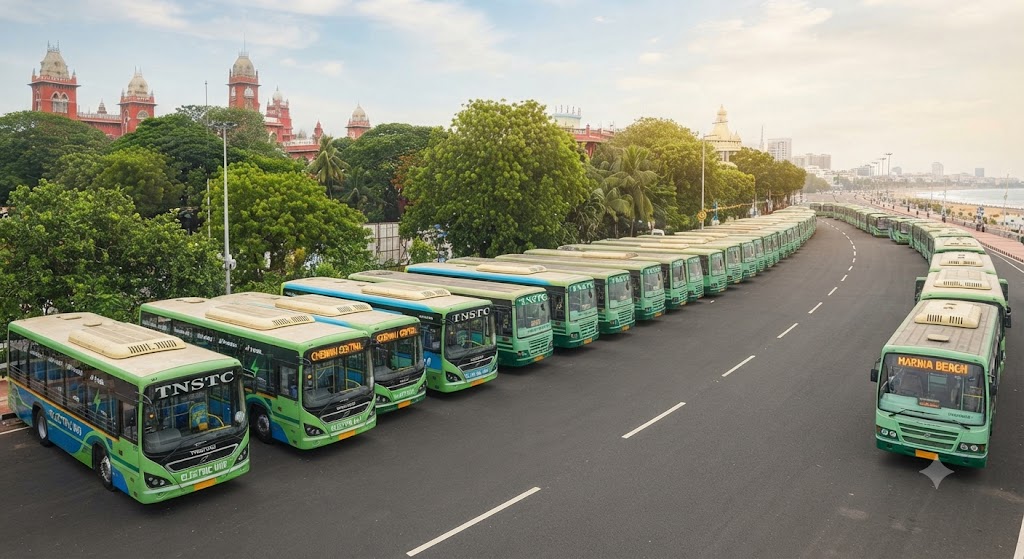
For electric buses, this is particularly significant because public transport electrification is expected to remain an important part of India's EV strategy.
For electric trucks, localisation could help establish a stronger domestic supply chain before the segment grows substantially in areas such as logistics, freight, ports, mining and regional transportation.
Could Electric Vehicle Costs Be Affected?
The immediate impact on vehicle prices will depend on how manufacturers manage the transition.
Domestic manufacturing can eventually reduce import dependence and improve supply-chain efficiency. However, setting up new production facilities, developing suppliers and sourcing critical materials locally can also involve significant investment.
If manufacturers face higher component costs during the transition, some of that pressure could potentially be reflected in vehicle pricing.
At the same time, greater localisation and higher production volumes could help reduce costs over the longer term.
What Happens Next?
The next major development will be the government's response to the industry's request for an extension until April 2027.
Manufacturers will also need to demonstrate their ability to meet the prescribed localisation requirements and establish reliable domestic supply chains.
The availability of rare-earth magnets will remain another important factor.
If domestic production of magnets and other critical EV components expands, manufacturers could find it easier to comply with the localisation framework without facing major supply disruptions.
What This Means for India's EV Industry
The September 1 deadline represents a shift in India's EV strategy.
The focus is gradually moving beyond simply increasing the number of electric vehicles on Indian roads toward creating a stronger domestic manufacturing ecosystem.
For electric buses and trucks, this means greater emphasis on locally manufactured traction motors, controllers and other powertrain components.
The transition may create short-term challenges for manufacturers, particularly those dependent on imported components. However, successful implementation could strengthen India's EV supply chain and create new opportunities for domestic component manufacturers.
For the electric commercial vehicle industry, the coming months will therefore be important as manufacturers balance regulatory compliance, component availability, production costs and the growing demand for cleaner transportation.
 Khyati Sharma 2026-09-01